
July 17, 1902 — The Day Modern Air Conditioning Was Born
When you hear “air conditioning,” you probably think of a hot summer day, a thermostat on the wall, and a blast of cold air.
But the story of modern air conditioning actually begins with something much less glamorous:
A printing press.
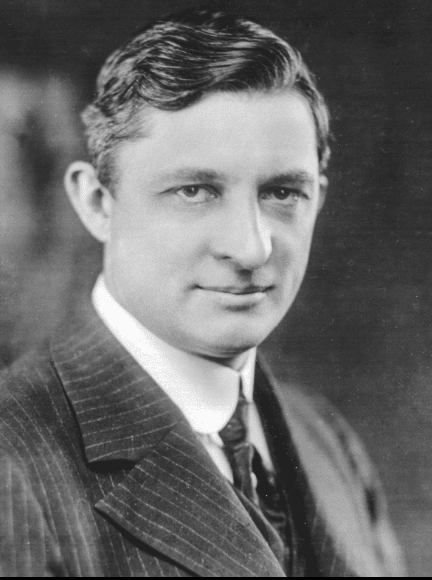
On July 17, 1902, a 25-year-old engineer named Willis Haviland Carrier submitted a set of mechanical drawings that would change the way the world controlled indoor environments.
And there’s a pretty cool New York connection.
Willis Carrier was born in 1876 in Angola, New York, near Buffalo. He went on to attend Cornell University, graduating with a degree in mechanical engineering in 1901.
After college, Carrier went to work for Buffalo Forge Company, where he designed heating and drying equipment.
Then came the problem that would change HVAC history forever.
A Brooklyn printing company, Sackett & Wilhelms, was having serious problems with humidity.
The paper used in its printing process would expand and contract as the moisture in the air changed. That made it difficult to keep multiple colors properly aligned on the printed page—and the humidity also affected how the ink dried.
The company didn't need someone to make its employees more comfortable.
They needed someone to control the air.
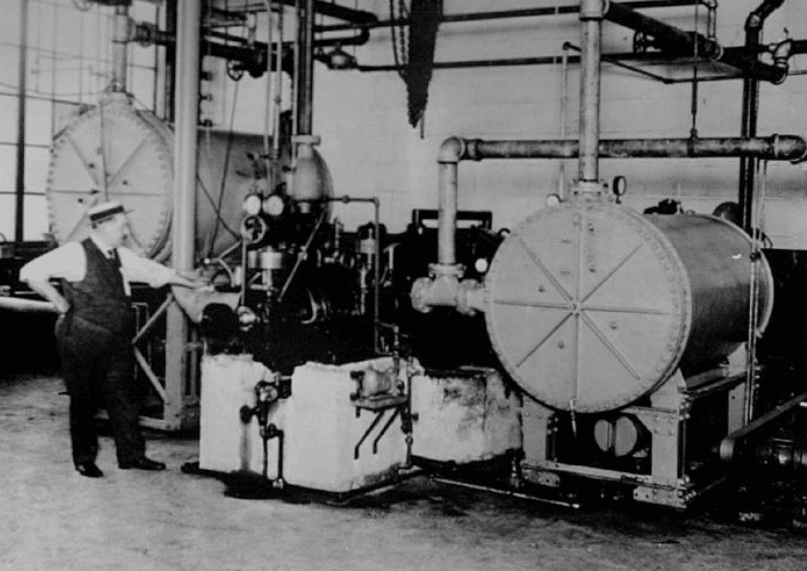
Carrier's solution was revolutionary
Carrier realized that controlling temperature alone wasn't enough.
He needed to control humidity.
His system moved air across chilled coils, removing moisture from the air while controlling its temperature. The first system was installed at the Brooklyn printing plant during the summer of 1902.
The system was designed to maintain approximately 55% relative humidity year-round and had a cooling effect equivalent to melting roughly 108,000 pounds of ice every day.
That's a LOT of ice.
And remember—this was happening more than 120 years ago.
It wThis might be the most interesting part of the story.
Modern air conditioning wasn't originally invented to keep people cool.
It was invented to solve an industrial production problem.
That same basic idea—controlling temperature, humidity and airflow—would eventually transform factories, theaters, offices, transportation and, eventually, our homes.
What started as a solution for a Brooklyn printing press became the foundation of the modern HVAC industry.
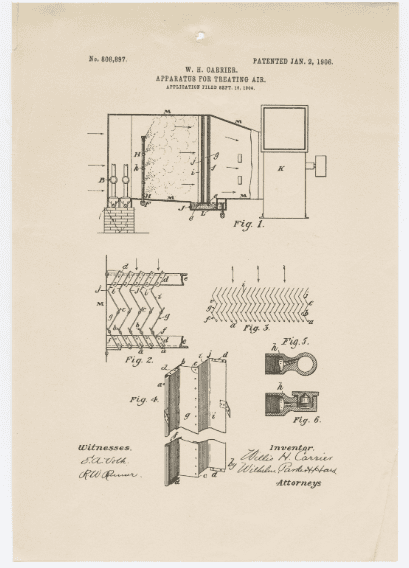
And the story comes back to New York
For us here in New York, there's an extra connection.
The engineer behind this technology was a New Yorker who studied at Cornell and began his professional career with Buffalo Forge.
So when we talk about the history of HVAC, we're not just talking about something that happened somewhere far away.
A piece of HVAC history was made right here in New York.
🔥 The JMH Takeaway
Today, we take indoor climate control for granted.
We turn a thermostat, adjust a setting, and expect the building to respond.
But behind that simple action is more than a century of engineering, experimentation and problem-solving.
And that's what makes HVAC history so interesting.
Every furnace, heater, boiler, heat pump, air conditioner and ventilation system we work with today is part of a much bigger story.
Welcome to This Day in HVAC History, a new JMH Heating series exploring the inventions, people and technologies that helped shape the industry we work in today.
Stay tuned. There's a lot of history behind that thermostat.
Sources & Further Reading
Willis Carrier's historical timeline and the July 17, 1902 drawings: Willis Carrier Historical Timeline -
Carrier's history of the first modern air-conditioning system: Carrier — History of Air Conditioning
National Inventors Hall of Fame biography of Willis Carrier: National Inventors Hall of Fame — Willis Carrie